What modified bitumen is, and where it is the wrong answer.
Modified bitumen is asphalt roofing for low-slope decks, reinforced with polymer and carried on a fibreglass or polyester mat so the sheet stays flexible in cold and holds its shape in heat. It is laid in plies — a base and a cap, sometimes more — so the waterproofing is redundant by design rather than resting on a single sheet.
Why these properties
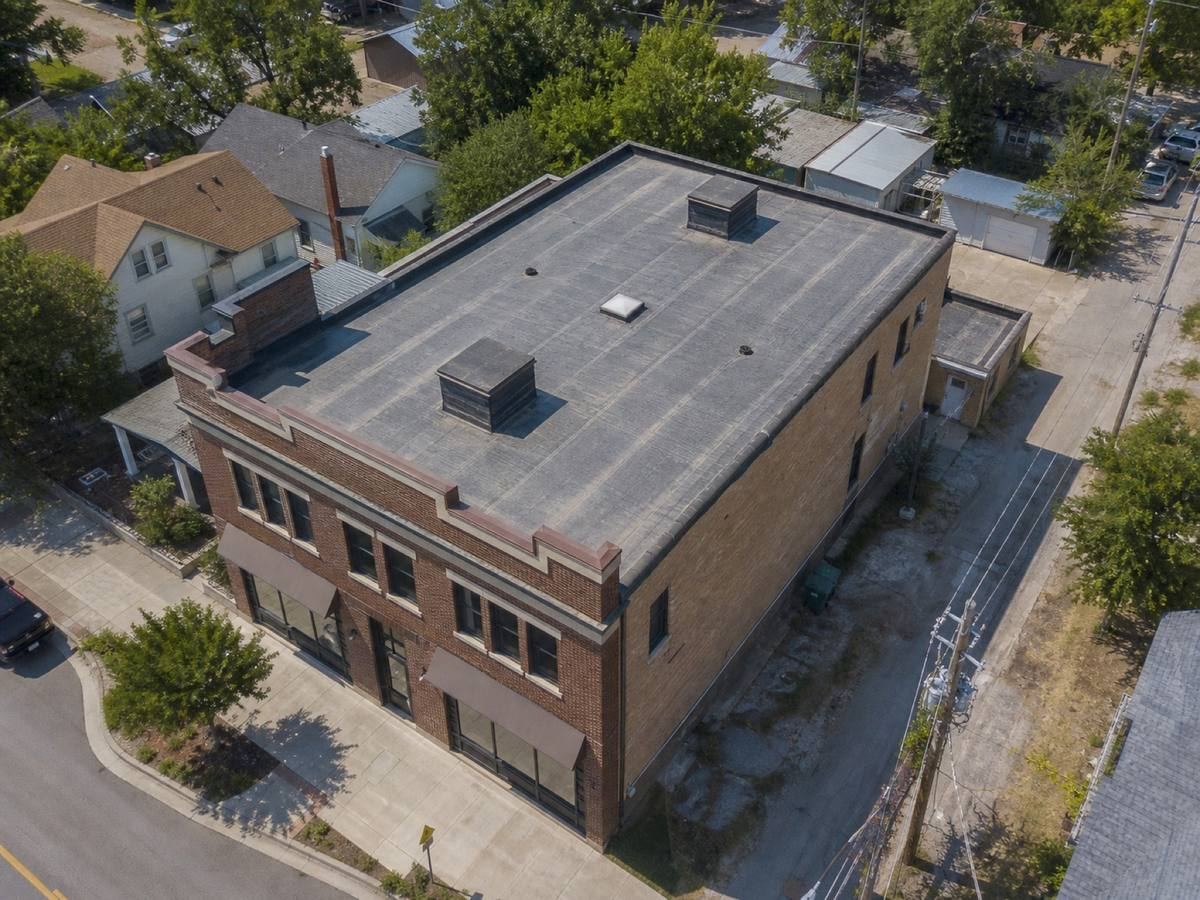
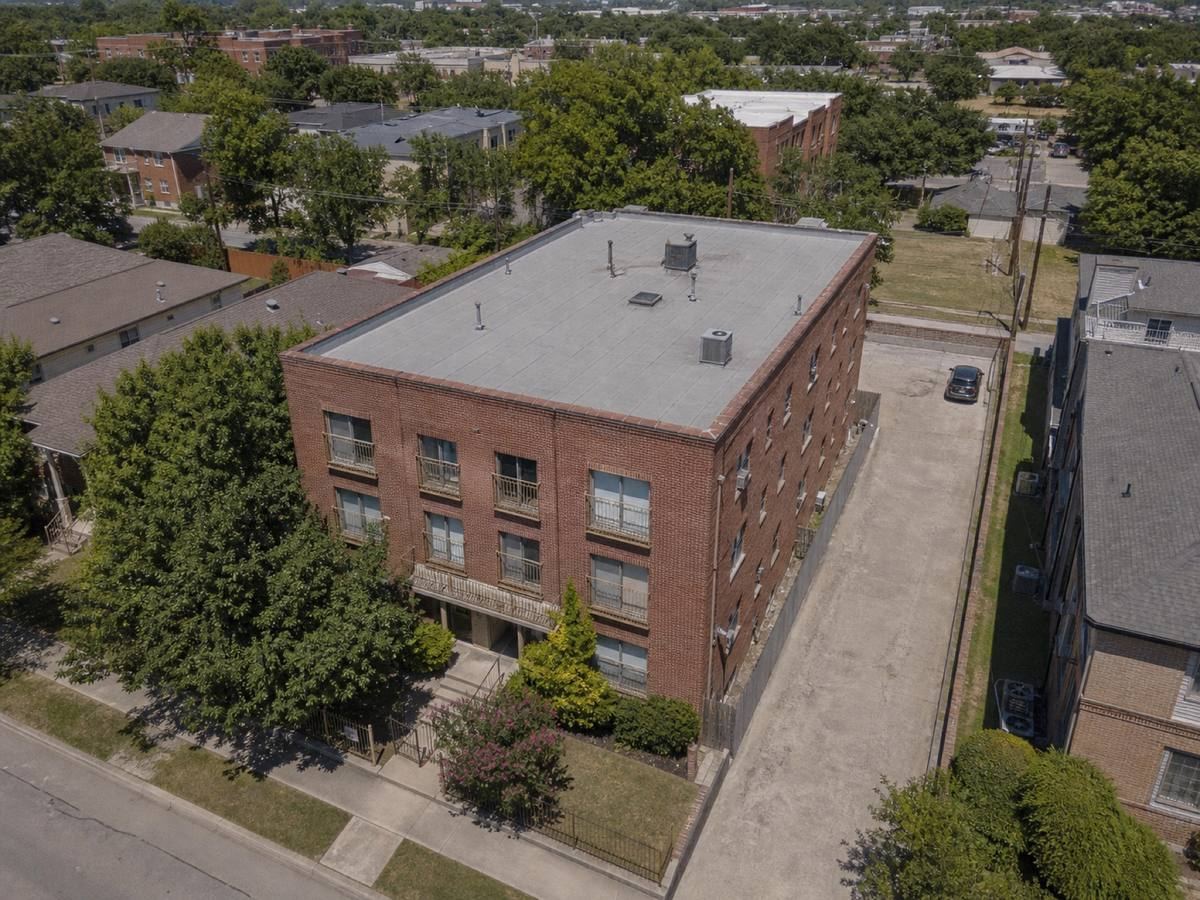
These are low-slope roofs that get worked on: smaller commercial buildings, additions, and flat sections behind parapets where somebody will eventually cut in a new pipe. Multi-ply asphalt takes a patch cleanly, in its own material, without specialist welding equipment having to be on site to do it.
Where it is oversold
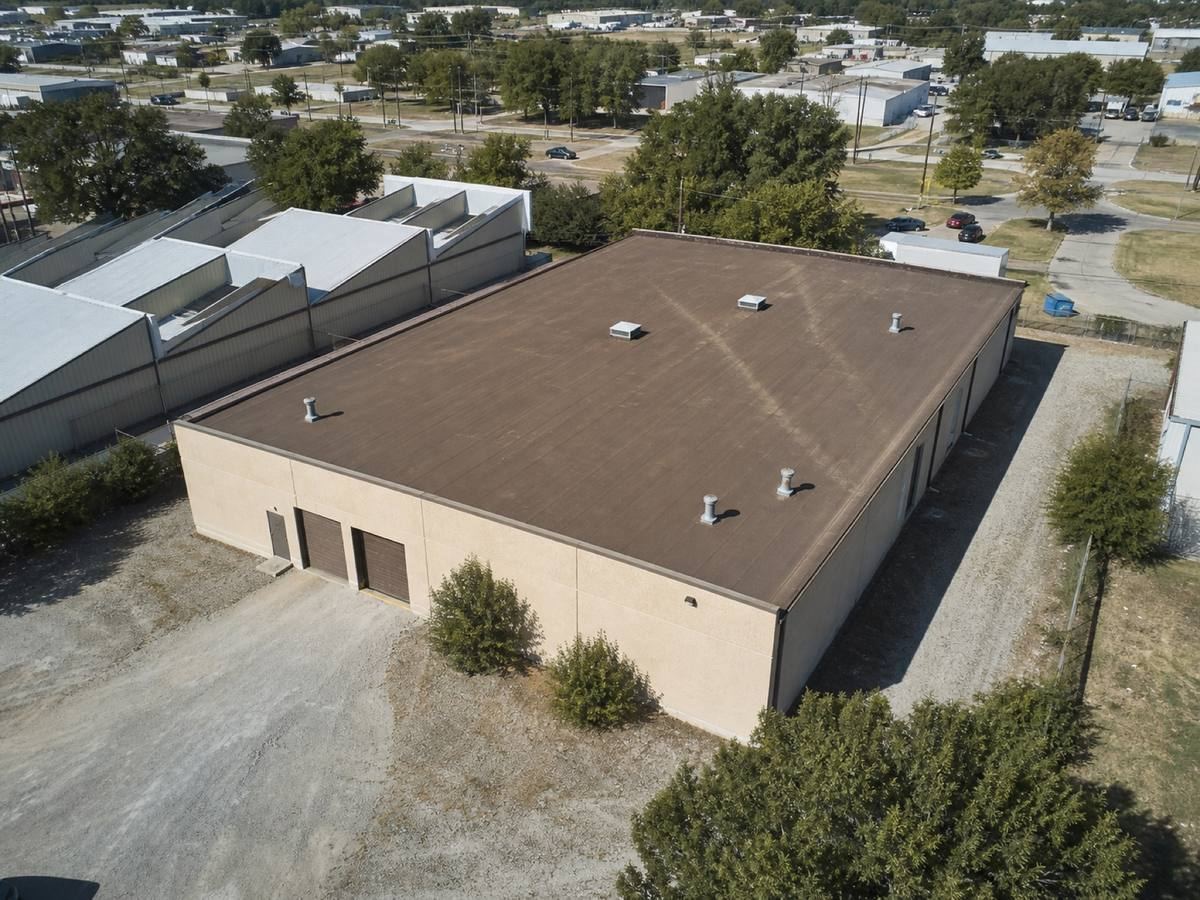
Redundancy is not the same as tolerance. Extra plies do nothing for a roof that does not drain, and this system sits in standing water as badly as any other. It is also heavy and slow to lay next to a single-ply sheet, and over a large open field that difference is real.
What an assessment looks at on this system
01
Ply count, and whether the layers are staggered. Two plies laid with their laps in line is one ply with an expensive second coat sitting on top of it.
02
The laps, and the flow of bitumen at their edges. A sound lap shows a thin continuous bead pressed out along the seam; a dry edge is a lap that was made cold.
03
Base flashings at parapets and curbs. The vertical work is where multi-ply roofs give way, and it is the part most likely to have been finished quickly at the end of a working day.


 (214) 807-0414Request an assessment