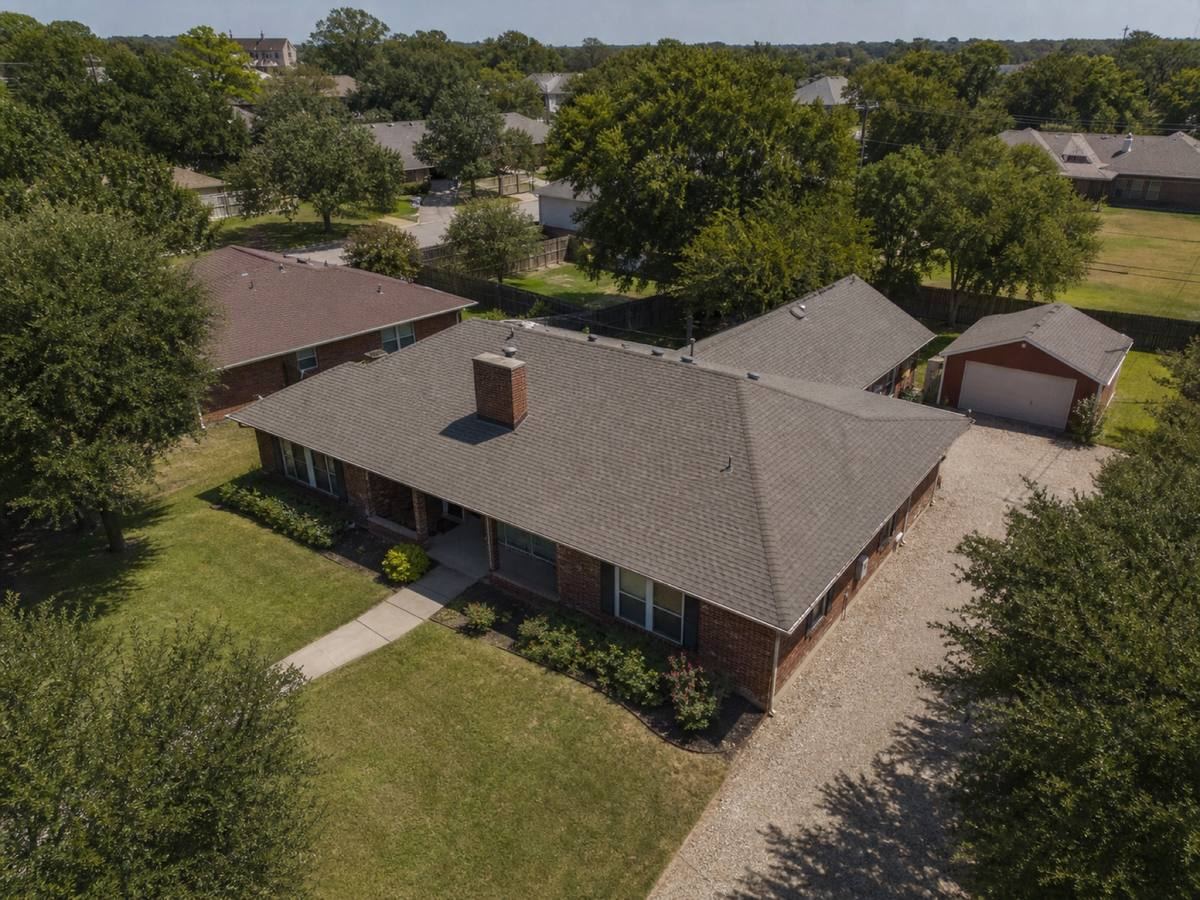
What architectural shingle is, and where it is the wrong answer.
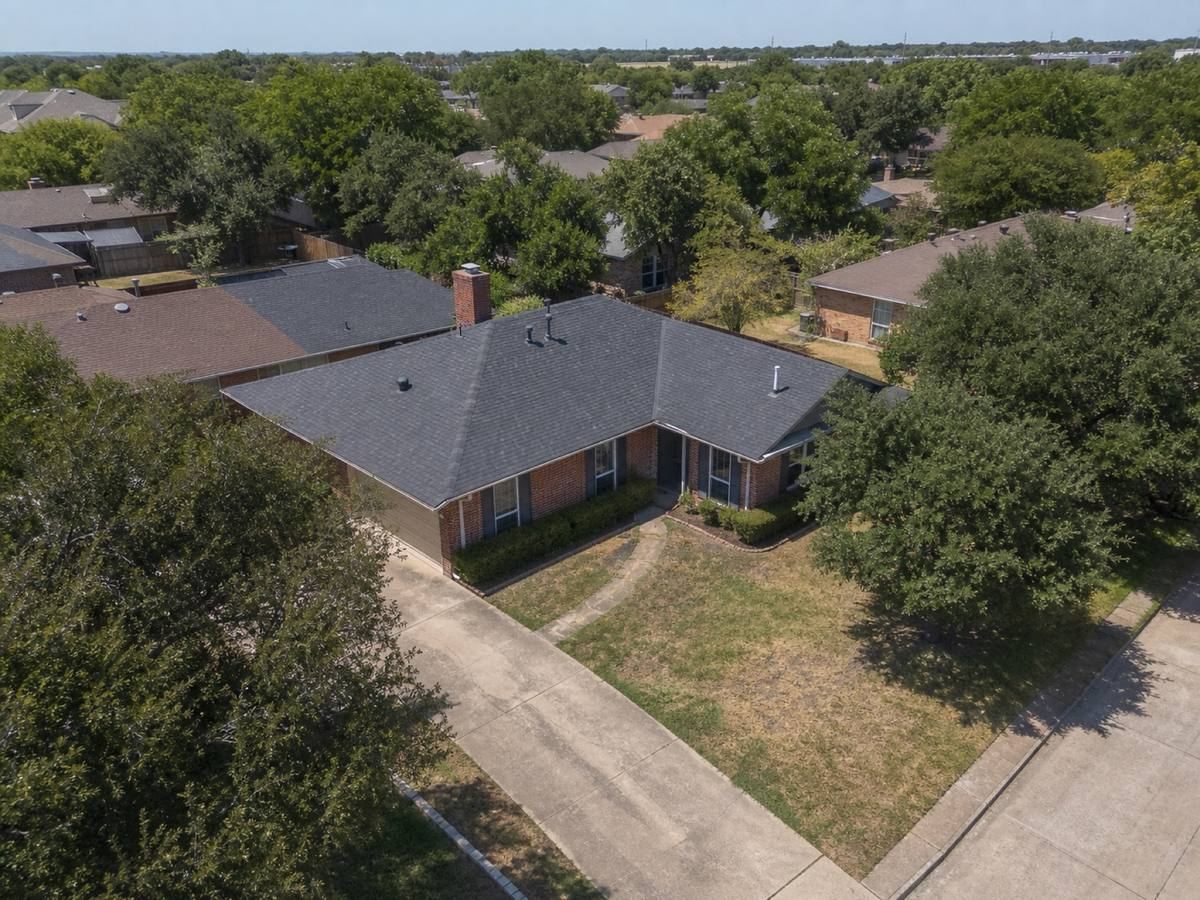
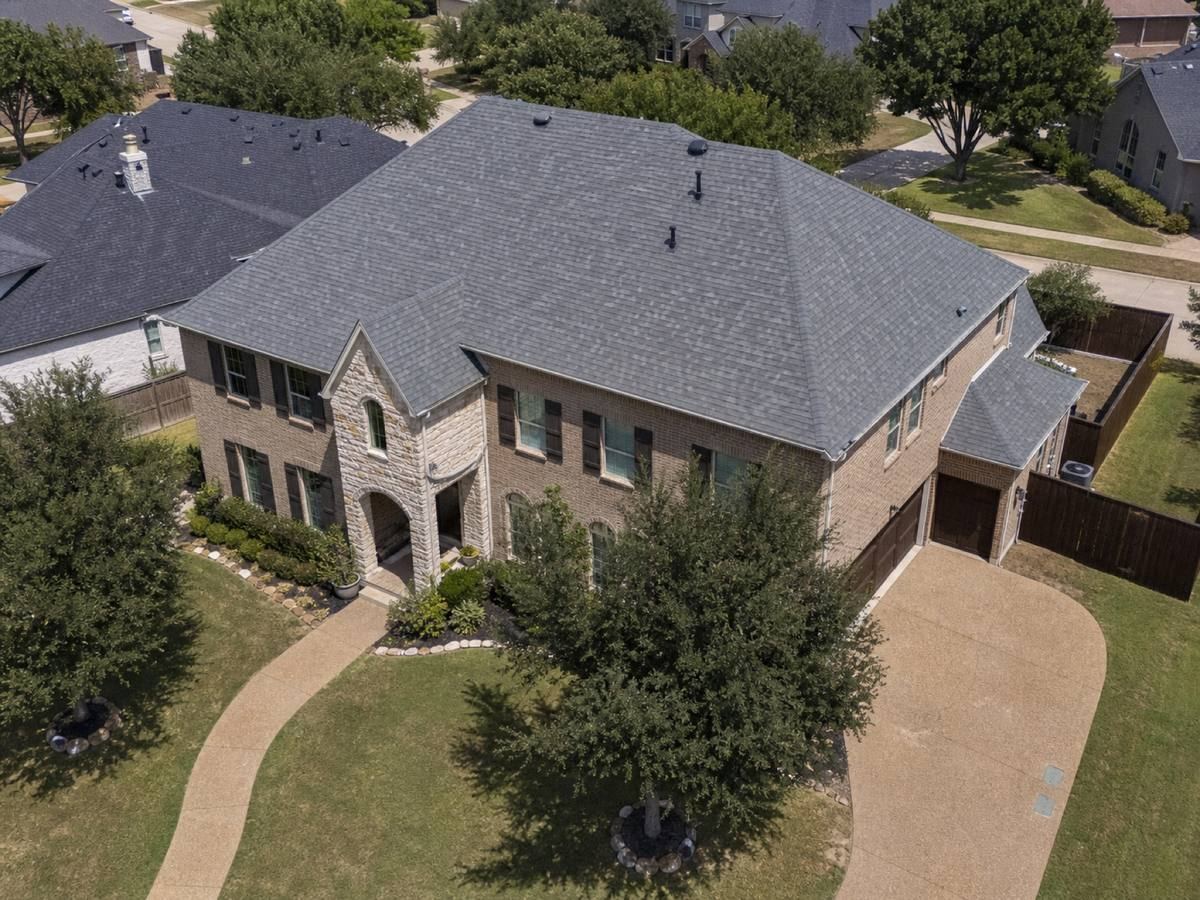
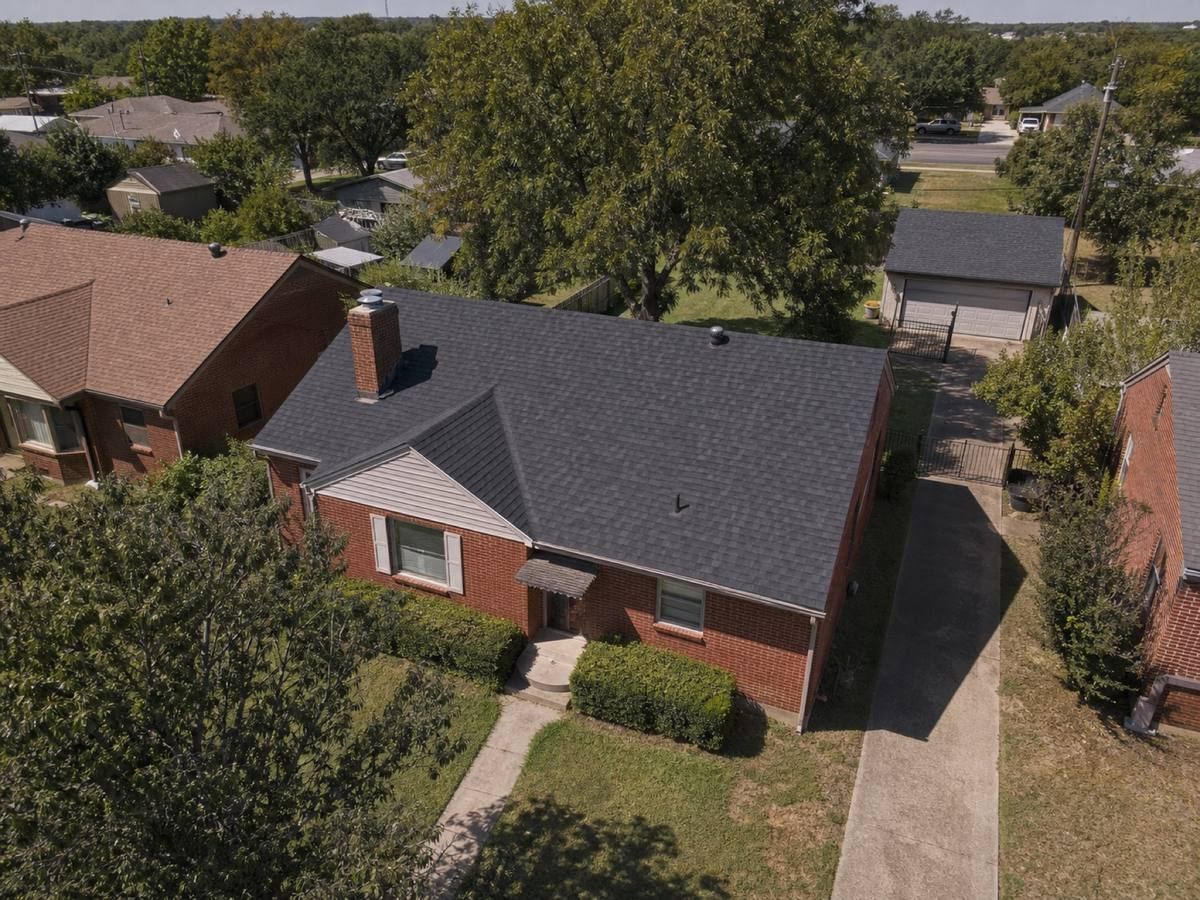
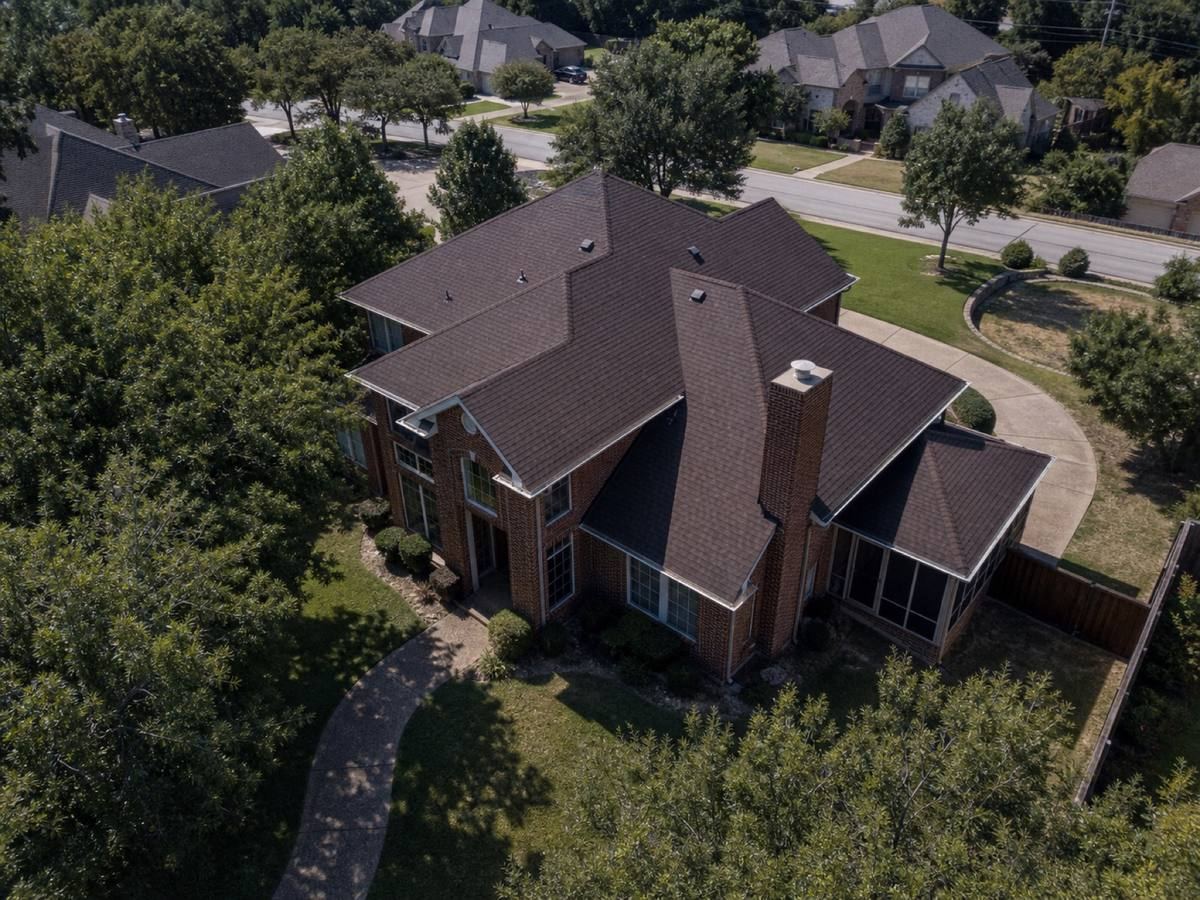
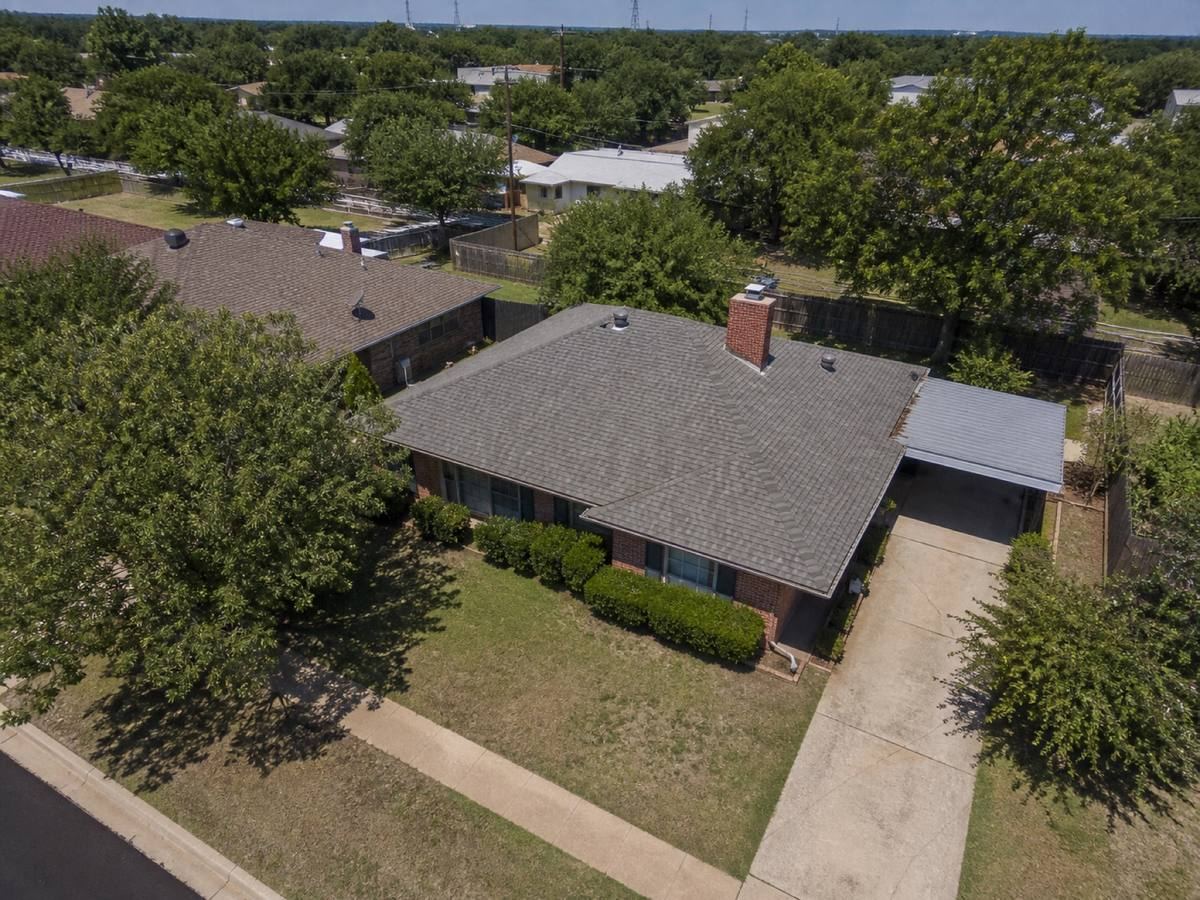
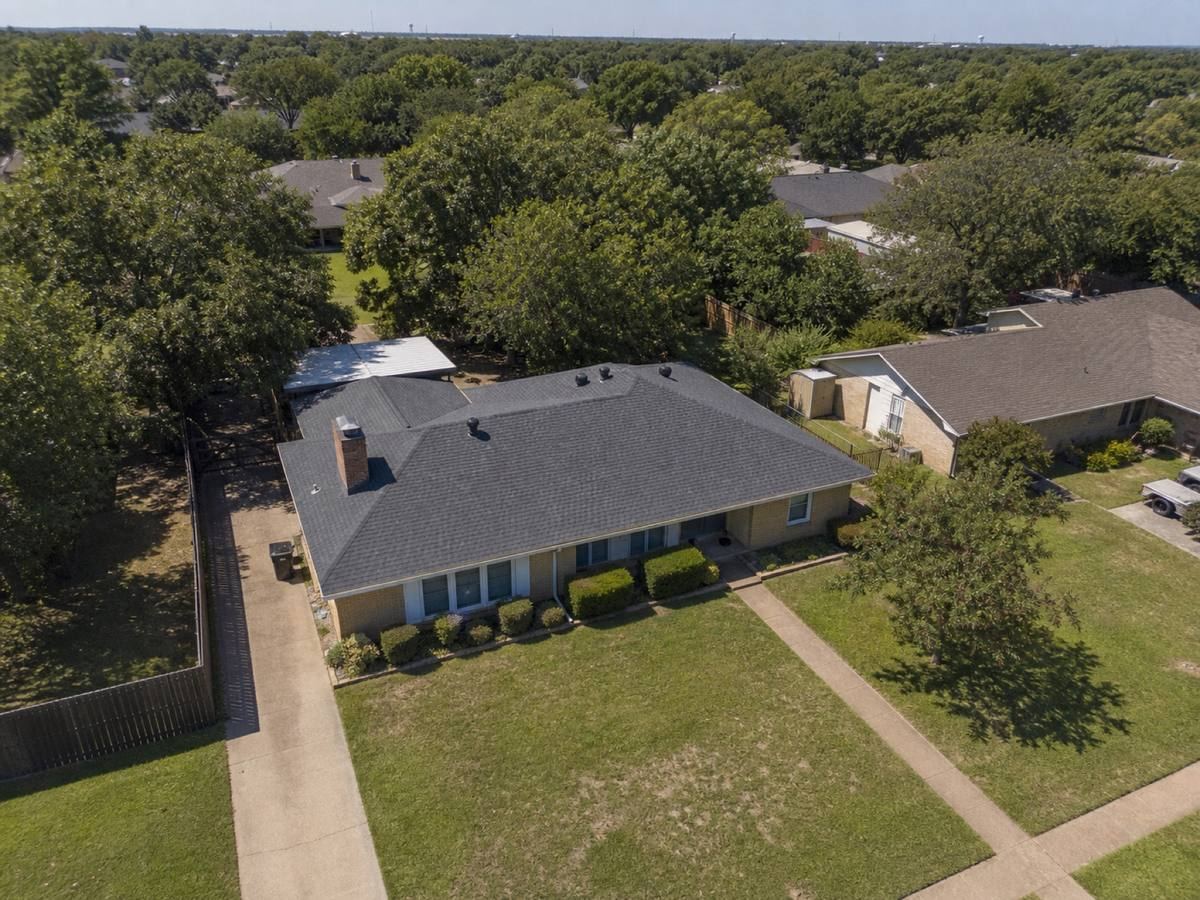
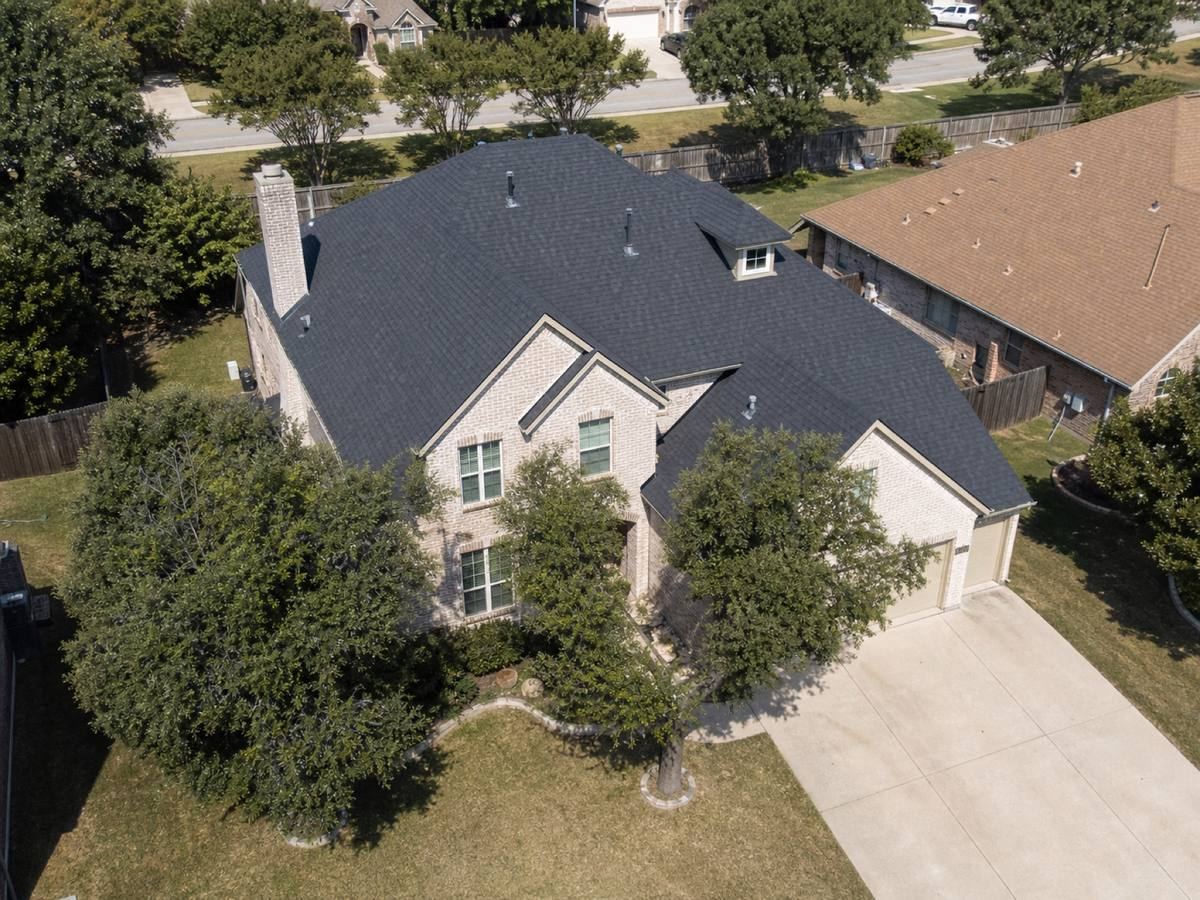
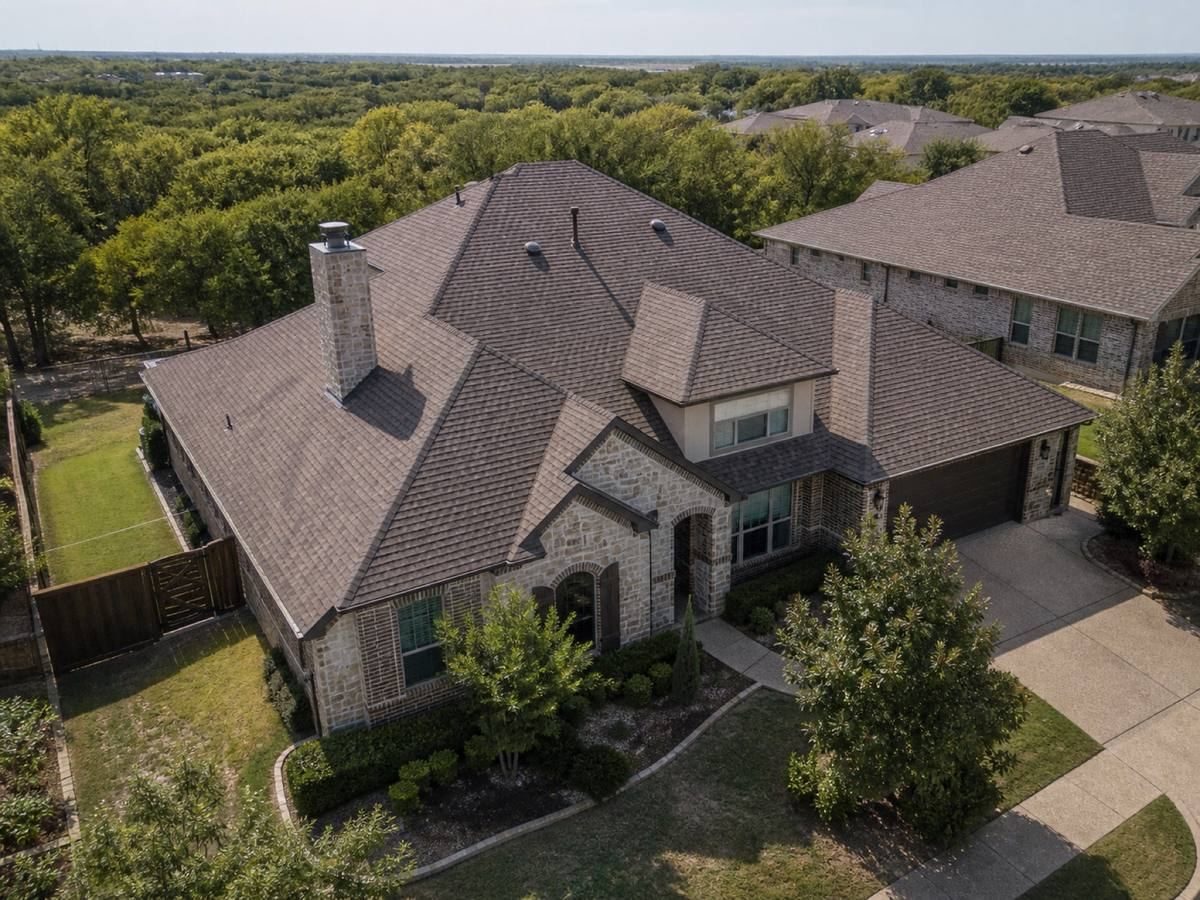
Architectural shingle is asphalt roofing built in layers. A laminated strip is bonded to the base mat, which gives the shingle its depth of shadow and its thickness, and makes it heavier than the flat three-tab it replaced. It is the default covering across most of Dallas–Fort Worth, and the one an estimate quietly assumes whenever it does not name a product at all.
Why these properties
These are ordinary pitched roofs with ordinary geometry: hips, valleys, a handful of penetrations and a ridge. Nothing about them demands a specialist covering, which is exactly why the covering is not where the difference sits. What separates one of these roofs from the next is the nailing, the valley method and the flashing at every wall.
Where it is oversold
Asphalt is the material North Texas hail finds first, and a standard architectural shingle carries no impact classification unless the product sheet says it does. It is also the covering that forgives a fast crew longest, because its defects sit in the fastening and the flashing rather than in anything readable from the street.
What an assessment looks at on this system
01
Nail placement and depth. A fastener driven high, over-driven, or shot at an angle no longer holds the course above it, and none of that is visible once the next course is laid over it.
02
How the valleys are made — closed-cut, woven, or open metal — and whether the method matches the pitch and the volume of water the planes above are delivering into them.
03
Where the roof meets a wall. Step flashing worked in course by course behaves differently from a continuous strip sealed over the top, and the second one is quicker to install.


 (214) 807-0414Request an assessment